

Blog

Unveiling the Vibrant Festivals in Kerala: A Guide to Cultural Celebrations
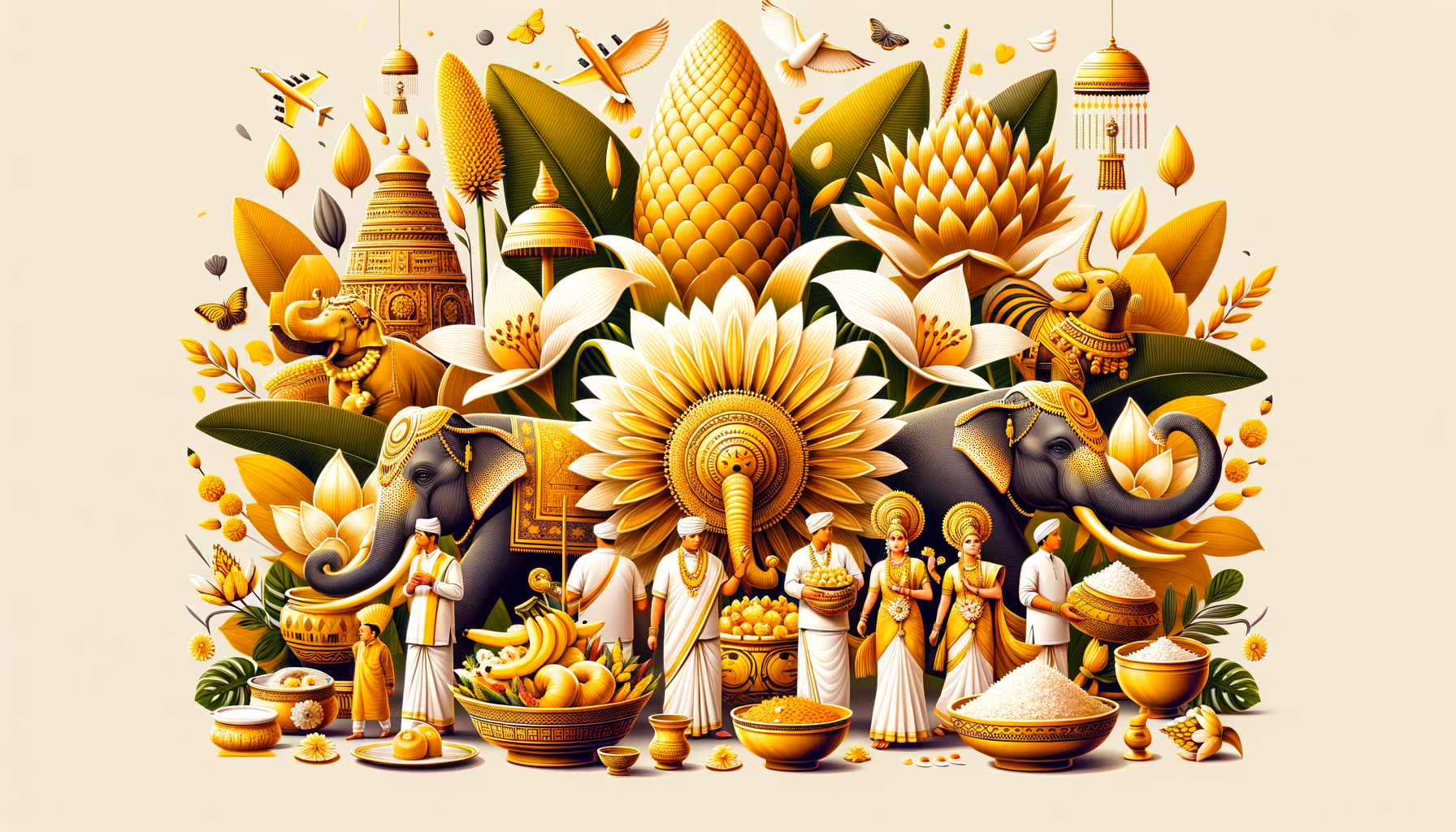
Unveiling the Vibrant Festivals in Kerala: A Guide to Cultural Celebrations
Kerala, known as “God’s Own Country,” is a vibrant tapestry of culture, tradition, and celebration. Festivals in Kerala are a reflection of its rich heritage, bringing together communities in joyous harmony. From the grand harvest celebrations of Onam to the mesmerizing spectacle of Thrissur Pooram, each festival offers a unique glimpse into the heart of Kerala’s cultural identity. Whether you’re a local or a traveler, exploring these festivals can be an enriching experience.
These celebrations are not just about rituals; they are a way to immerse oneself in the local way of life. The festivals in Kerala bring alive the spirit of togetherness and offer a chance to witness the state’s diverse traditions in their full glory. Let’s delve into some of the most captivating festivals that make Kerala truly special.
Key Takeaways
- Kerala’s festivals showcase the state’s rich cultural heritage and traditions.
- Onam is a grand harvest festival celebrated with vibrant rituals and feasts.
- Thrissur Pooram is known for its spectacular elephant processions and fireworks.
- Each festival in Kerala reflects the region’s diverse religious and cultural practices.
- Participating in these festivals offers a deeper understanding of Kerala’s community spirit.
Exploring the Rich Heritage of Onam: Kerala’s Grand Harvest Festival
The Significance of Onam
Onam, the grandest festival in Kerala, is celebrated with great enthusiasm across the state. It marks the homecoming of the mythical King Mahabali, whose reign is considered a golden era. The festival, which lasts for ten days, typically falls in the Malayalam month of Chingam (August-September). Onam is a harvest festival that brings families together with feasts, traditional dances, and various cultural activities.
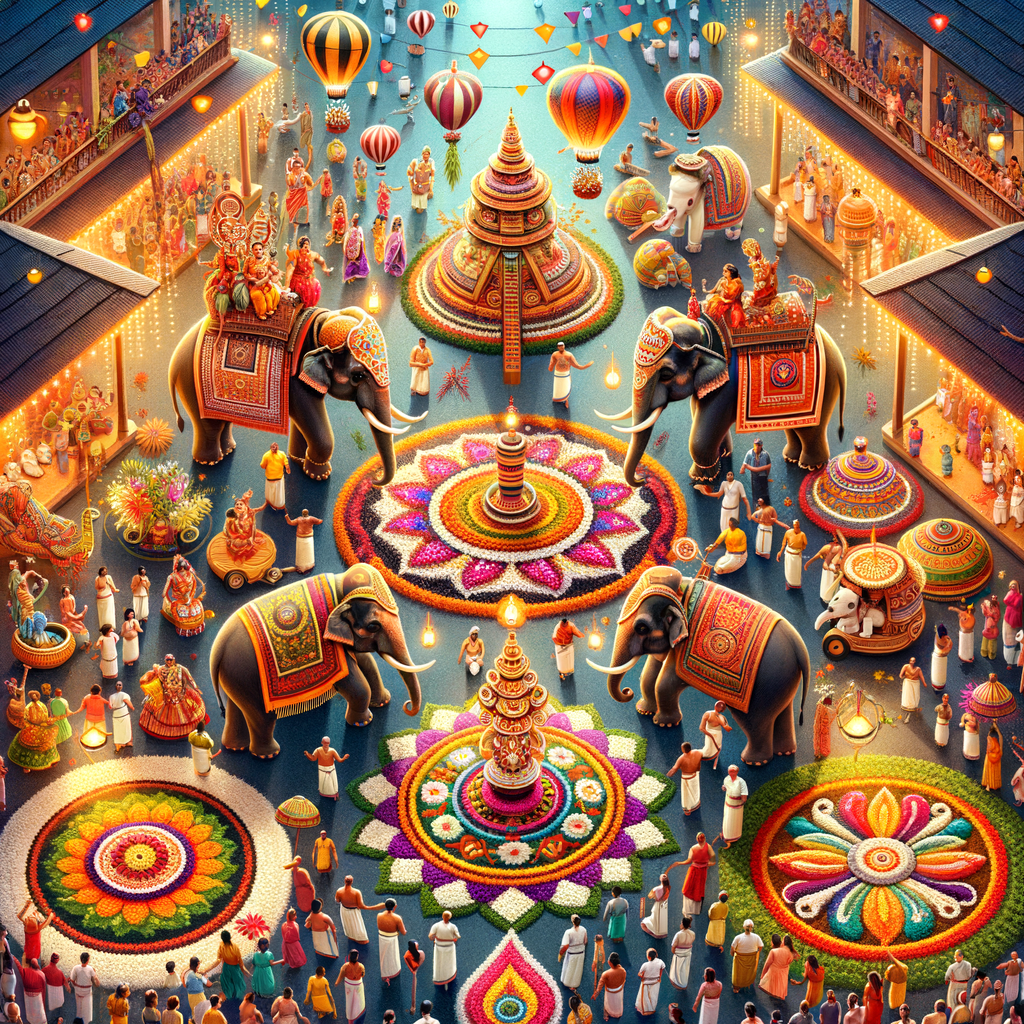
The festival’s highlight is the “Onasadya,” a grand vegetarian feast served on banana leaves, featuring an array of traditional dishes. Additionally, the “Pookalam” or floral carpet competition is a significant attraction, where intricate floral designs are laid out to welcome the king.
Traditional Games and Cultural Activities
Onam is also known for its traditional games, known as “Onakalikal,” which include Tug of War, Kabaddi, and Vallamkali (boat races). These games foster community spirit and showcase the physical prowess of participants. Vallamkali is particularly famous, drawing huge crowds to witness the snake boat races on the serene backwaters of Kerala.
Moreover, cultural performances such as Kathakali, Mohiniyattam, and Thiruvathira dances are integral to the festivities. These performances narrate mythological stories and add a colorful dimension to the celebrations. Therefore, Onam is not just a festival; it’s a cultural extravaganza that captivates everyone.
The Symbolism of Onam Rituals
The rituals and customs of Onam hold deep symbolism, reflecting the agrarian past of Kerala. The festival signifies prosperity, unity, and harmony among different communities. Moreover, it transcends religious boundaries, with people from all walks of life participating in the celebrations. Consequently, Onam is a testament to Kerala’s inclusive culture and rich traditions.
The Spectacular Thrissur Pooram: A Dazzling Display of Tradition
The Grandeur of Thrissur Pooram
Thrissur Pooram is one of Kerala’s most spectacular temple festivals, held at the Vadakkunnathan Temple in Thrissur. It is celebrated in the Malayalam month of Medam (April-May) and is renowned for its grand elephant processions, dazzling fireworks, and the mesmerizing “Kudamattam” (umbrella exchange ceremony). This festival is a feast for the senses and attracts visitors from all over the world.
The main highlight is the procession of caparisoned elephants, adorned with gold-plated ornaments and colorful parasols. Additionally, the rhythmic beats of traditional drums and instruments create an electrifying atmosphere, making Thrissur Pooram a truly unforgettable experience.
The Cultural Significance of Thrissur Pooram
Thrissur Pooram is more than just a visual spectacle; it is a cultural phenomenon that celebrates the spirit of competition and cooperation among neighboring temples. The festival was introduced by Sakthan Thampuran, the Maharaja of Cochin, to foster unity among various temple communities. Consequently, Thrissur Pooram is a symbol of Kerala’s cultural cohesiveness and religious harmony.
The “Pandimelam” and “Panchavadyam,” traditional orchestra performances, are integral to the festivities, showcasing the state’s rich musical heritage. These performances are a testament to the artistry and skill of local musicians, adding a rhythmic charm to the celebrations.
Participating in Thrissur Pooram
For those planning to experience Thrissur Pooram, it is advisable to arrive early to secure a good vantage point. The festival grounds become a sea of people, all eager to witness the grandeur. Moreover, participating in Thrissur Pooram offers an opportunity to interact with locals and gain insights into their customs and traditions.
Indeed, the festivals in Kerala are a vibrant celebration of life, culture, and community. Whether it’s the joyous Onam or the majestic Thrissur Pooram, each festival offers a unique experience that leaves a lasting impression. Embrace the diversity and immerse yourself in the cultural tapestry of Kerala, where every festival tells a story of its own.
Embracing Diversity: Celebrating Vishu and Its Unique Customs
Vishu, the Malayali New Year, is celebrated with great enthusiasm and devotion. It symbolizes prosperity and hope, marked by the “Vishukkani,” a traditional arrangement of auspicious items viewed at dawn to herald a year of abundance. Families gather to share special meals and exchange gifts, strengthening bonds and traditions.
The Enchanting Boat Races: A Unique Festive Experience in Kerala
Kerala’s boat races, particularly the Nehru Trophy Boat Race, are thrilling spectacles of speed and teamwork. These events draw massive crowds and showcase the competitive spirit and camaraderie inherent in Kerala’s festive culture. The rhythmic rowing and vibrant atmosphere make the boat races an unforgettable experience for participants and spectators alike.
The Spiritual Essence of Kerala’s Temple Festivals
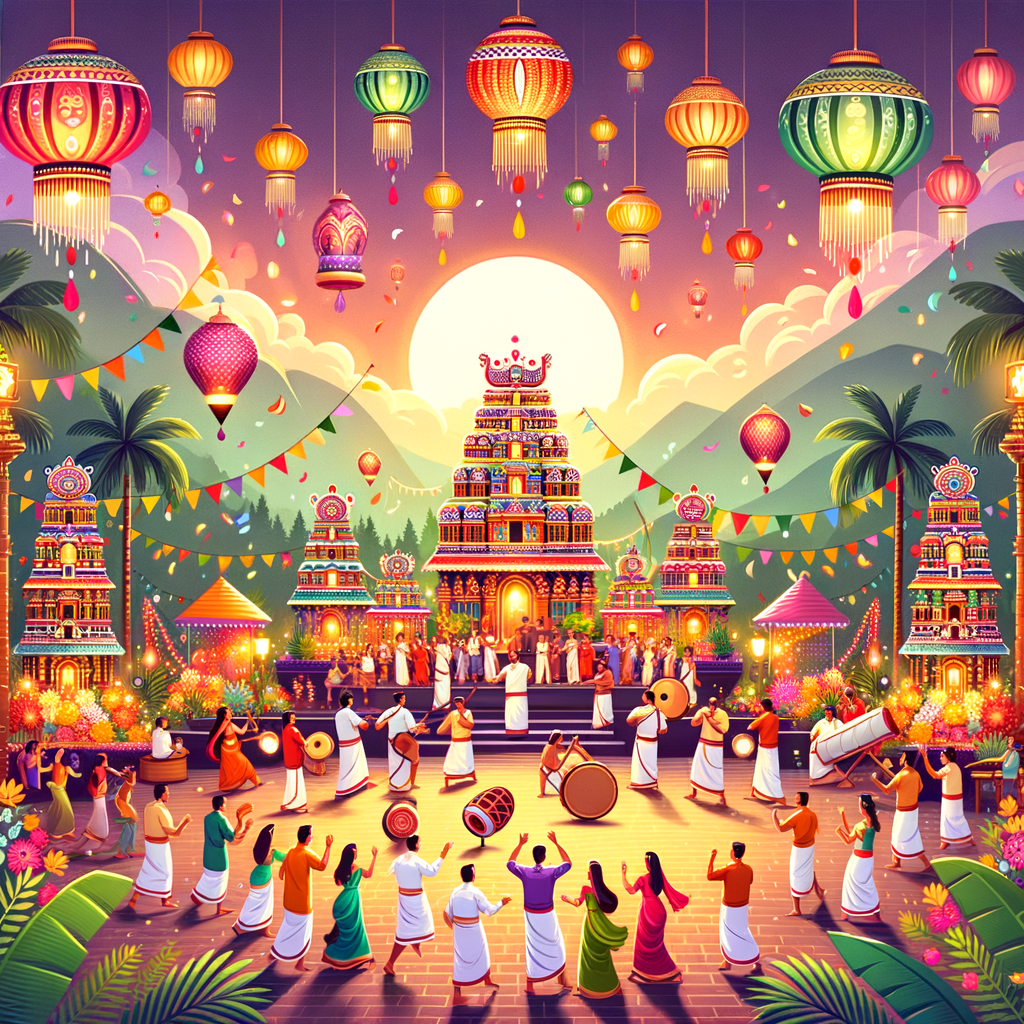
Temple festivals in Kerala, such as the Attukal Pongala and Sabarimala pilgrimage, highlight the state’s deep-rooted spirituality and religious diversity. These festivals are characterized by elaborate rituals, vibrant processions, and communal harmony, offering a glimpse into Kerala’s rich spiritual heritage and the devotion that unites its people.
Conclusion
Kerala’s festivals are a mosaic of vibrant traditions, spiritual depth, and cultural diversity. Each festival is a celebration of life, reinforcing community bonds and preserving age-old customs. Whether participating in a grand procession or witnessing a traditional performance, these festivals offer a captivating journey into Kerala’s soul.
Video Credit: Kerala Tourism | Watch on YouTube
FAQ
1. What is the significance of Thrissur Pooram?
Thrissur Pooram symbolizes religious harmony and cultural unity, showcasing Kerala’s rich traditions through majestic processions and traditional music performances.
2. When is Vishu celebrated in Kerala?
Vishu is typically celebrated in mid-April, marking the Malayali New Year with customs that bring prosperity and harmony.
3. What makes Kerala’s boat races unique?
Kerala’s boat races, known for teamwork and competitive spirit, are thrilling events featuring large, traditional boats and synchronized rowing.
4. How does Onam differ from other festivals in Kerala?
Onam is a harvest festival celebrated with grand feasts, traditional games, and cultural performances, reflecting Kerala’s agrarian heritage.
5. Are temple festivals open to visitors?
Yes, temple festivals in Kerala are open to all, offering insights into local customs and a chance to experience spiritual fervor.
6. What should I know before attending a festival in Kerala?
It’s advisable to plan ahead, respect local customs, and be prepared for large crowds to fully enjoy the vibrant atmosphere of Kerala’s festivals.
7. How do festivals contribute to Kerala’s cultural tourism?
Festivals attract tourists by showcasing Kerala’s rich cultural heritage, providing an immersive experience into the state’s diverse traditions and communal harmony.
related post

January 22, 2026
Exploring the Wonders of Aeroplanes: A Comprehensive Guide to Flight and Innovation
Exploring the Wonders of Aeroplanes: A Comprehensive Guide to Flight and Innovation Aeroplanes have revolutionized the way we travel, shrinking the world and making the sky a new frontier for...January 22, 2026
Mastering Digital Marketing in Singapore: Strategies for 2024 Success
Mastering Digital Marketing in Singapore: Strategies for 2024 Success Navigating the world of digital marketing in Singapore can seem daunting, especially as we approach 2024. However, understanding the nuances of...Contact Details
Catch us for a CUP of GREEN TEA


Operating Hours: 9am to 6pm

Working Days: Monday to Saturday
Closed Days: Sunday and Public Holidays
Quick Links
Services
Support
NEWSLETTER
Please fill in your email to catch our new IT products



Copyright © 2024 l NICKTUNG l UEN: 53267689X l All Rights Reserved. ®

apply now
Fill in your details and we will get back to you shortly.