

Blog
Future-Proof Strategies: Exploring Digital Marketing Trends in 2026

Future-Proof Strategies: Exploring Digital Marketing Trends in 2026
As we move towards the future, the landscape of digital marketing continues to evolve at a rapid pace. The year 2026 promises to bring a host of new trends and strategies that marketers must embrace to stay competitive. By understanding these changes early, businesses can effectively adapt their strategies and ensure long-term success. Digital Marketing in 2026 is not just about keeping up with trends—it’s about setting the pace for innovation and growth.
In this blog post, we will delve into the future-proof strategies that will shape digital marketing in 2026. From shifts in consumer behavior to groundbreaking technologies, we’ll explore how marketers can prepare for what’s next and make informed decisions that drive results. Ready to dive into the future of digital marketing? Let’s get started!
Key Takeaways
- Consumer behavior is increasingly driven by personalization and data privacy concerns.
- AI and machine learning will revolutionize marketing strategies.
- Augmented Reality (AR) will enhance user experiences and engagement.
- Voice search optimization will become a crucial aspect of SEO.
- Data-driven marketing will lead to more precise targeting and results.
The Evolution of Consumer Behavior in Digital Marketing in 2026
Personalization and Data Privacy
In 2026, personalization will remain a crucial element of digital marketing. Consumers expect brands to provide personalized experiences that cater to their unique preferences and needs. However, this demand for personalization comes with an increased emphasis on data privacy. Businesses must find a balance between providing tailored experiences and respecting user privacy.
Brands that successfully navigate this balance will gain consumer trust and loyalty. By implementing transparent data practices and providing clear privacy options, companies can enhance their personalization efforts without compromising user trust. This balance will be key in gaining a competitive edge.
The Rise of Influencer Marketing
Influencer marketing will continue to grow, but with a twist. As consumer behavior evolves, audiences will seek out more authentic and relatable influencers. Micro-influencers and niche experts will become more valuable, as they often have highly engaged audiences and can offer more genuine recommendations.
By partnering with the right influencers, brands can reach specific target markets more effectively. Additionally, leveraging influencer-created content across multiple channels will amplify brand visibility and engagement.
The Shift Towards Sustainable Marketing
Sustainability will be a driving factor in consumer behavior by 2026. Consumers will favor brands that demonstrate a commitment to sustainable practices. Companies must incorporate sustainability into their marketing strategies to meet this growing demand.
This shift will involve everything from sustainable packaging to eco-friendly business operations. Brands that align their values with those of their consumers will not only satisfy demand but will also likely see increased brand loyalty and advocacy.
Innovative Technologies Shaping Digital Marketing in 2026
Artificial Intelligence and Machine Learning
Artificial Intelligence (AI) and machine learning will undoubtedly transform how digital marketing operates. These technologies will enable marketers to analyze vast amounts of data, predict consumer behavior, and deliver highly personalized content. By 2026, AI-driven marketing strategies will be the norm rather than the exception.
AI can optimize everything from customer service chatbots to content creation. For example, AI-powered tools can generate personalized email campaigns based on consumer preferences, increasing engagement and conversion rates.
Augmented Reality (AR) in Marketing
Augmented Reality (AR) is set to revolutionize user experiences in 2026. AR technologies will allow consumers to interact with products in a virtual space, enhancing engagement and driving purchasing decisions. Brands that incorporate AR into their strategies will offer unique experiences that set them apart from competitors.
For instance, furniture retailers might use AR to let customers visualize how a piece of furniture would look in their home before making a purchase. This immersive experience can significantly reduce the hesitation often associated with online shopping.
Voice Search Optimization
With the increasing prevalence of smart speakers and voice-activated devices, optimizing for voice search will become essential. By 2026, a significant portion of online searches will be voice-based, requiring marketers to adapt their SEO strategies accordingly.
Voice search optimization involves using natural language and conversational keywords. Brands will need to ensure their content answers specific questions and provides clear, concise information to suit the voice search format.
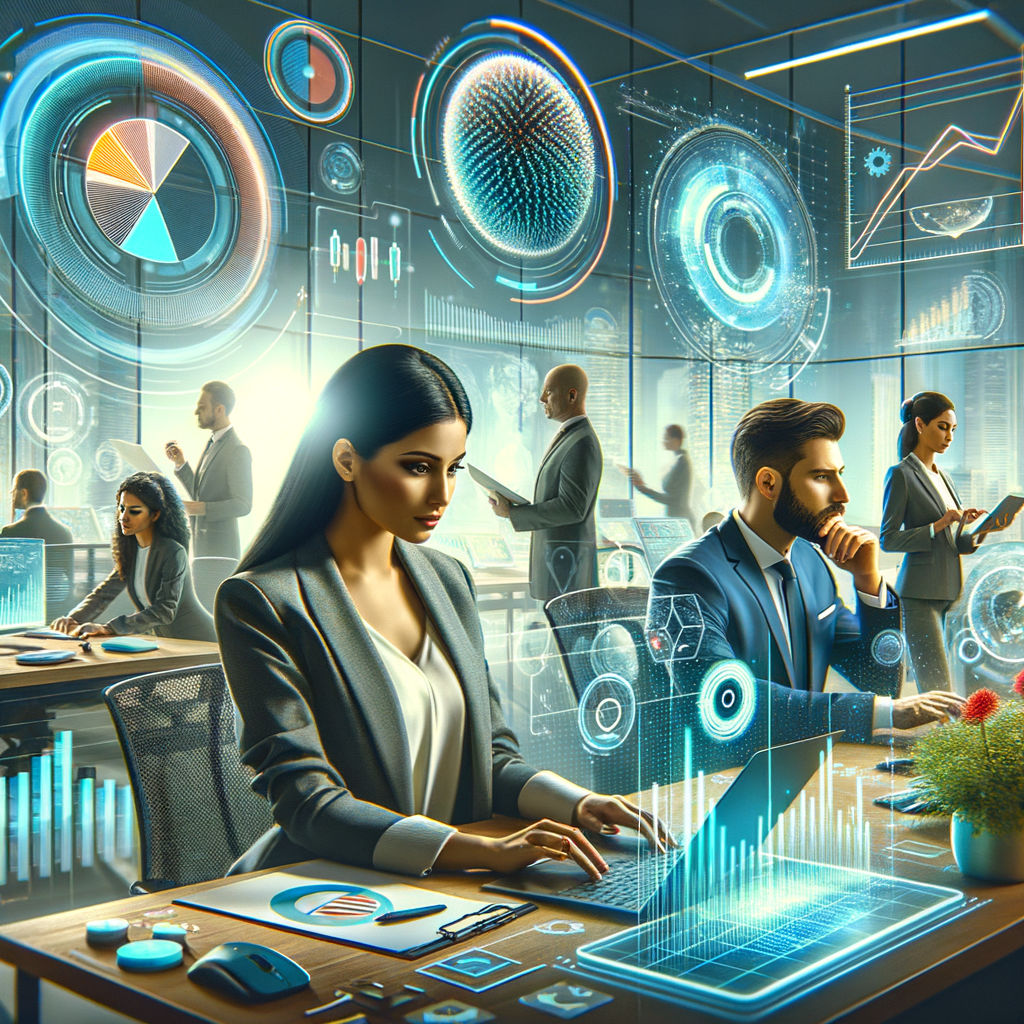
By embracing these future-proof strategies and understanding the dynamics that will shape Digital Marketing in 2026, businesses can position themselves for success. From leveraging emerging technologies to understanding evolving consumer behaviors, the future of digital marketing promises to be both challenging and exciting. Stay ahead of the curve by preparing today, and ensure your business thrives in the digital landscape of tomorrow.
Personalization and Data Privacy: Balancing Act in 2026
As personalization becomes increasingly sophisticated, the balance between delivering tailored experiences and maintaining data privacy will be crucial. By 2026, consumers will demand transparency and control over their data, pushing brands to prioritize ethical data handling and build trust.
The Role of Artificial Intelligence in Digital Marketing Strategies
Video Credit: Neil Patel | Watch on YouTube
AI will revolutionize digital marketing by offering advanced analytics, predictive insights, and automation. By leveraging AI, businesses can enhance customer experiences, optimize campaigns, and drive innovation.
Sustainable and Ethical Marketing Practices for the Future
Brands will need to focus on sustainability and ethics, as consumers increasingly favor environmentally-friendly and socially responsible companies. Embracing these principles will be essential to building lasting brand loyalty.
Conclusion
In conclusion, the digital marketing landscape of 2026 will be shaped by emerging technologies, ethical practices, and a greater emphasis on personalization and privacy. Businesses that adapt to these changes and embrace innovation will thrive in this evolving environment.
FAQ
-
What are the key trends in digital marketing for 2026?
Emerging technologies like AR, AI-driven strategies, and a focus on personalization and privacy. -
How important is voice search optimization in 2026?
Extremely important, as a significant portion of searches will be voice-based. -
What role does AI play in digital marketing?
AI provides advanced analytics, automation, and enhances customer experiences. -
Why is data privacy crucial in 2026?
Consumers demand transparency and control, making ethical data handling essential. -
How can brands incorporate sustainability in their marketing?
By adopting environmentally-friendly practices and promoting social responsibility. -
What are the benefits of AR in digital marketing?
It offers immersive experiences, increasing engagement and reducing purchase hesitation. -
How can businesses prepare for these digital marketing changes?
By staying informed, adopting new technologies, and prioritizing consumer needs and ethics.
related post
January 22, 2026
Unlocking Success: Navigating Digital Marketing in China for 2024
Unlocking Success: Navigating Digital Marketing in China for 2024 Navigating the vast world of digital marketing in China can be daunting for marketers, especially those based in the US. With...
January 22, 2026
Navigating Digital Marketing in Singapore: Strategies for Success in 2024
Navigating Digital Marketing in Singapore: Strategies for Success in 2024 In the ever-evolving landscape of digital marketing, Singapore stands out as a dynamic hub. With its tech-savvy population and robust...Contact Details
Catch us for a CUP of GREEN TEA


Operating Hours: 9am to 6pm

Working Days: Monday to Saturday
Closed Days: Sunday and Public Holidays
Quick Links
Services
Support
NEWSLETTER
Please fill in your email to catch our new IT products



Copyright © 2024 l NICKTUNG l UEN: 53267689X l All Rights Reserved. ®

apply now
Fill in your details and we will get back to you shortly.