

Blog

Exploring the Digital World in 2026: Trends, Innovations, and Predictions

Exploring the Digital World in 2026: Trends, Innovations, and Predictions
As we look ahead to the digital world in 2026, the landscape is brimming with potential. Technological advancements are poised to reshape how we live, work, and interact. From emerging technologies to the expanding role of artificial intelligence, the future promises to be both exciting and challenging. The United States, a leader in technology innovation, stands to benefit significantly from these developments.
Our journey into the digital world of 2026 begins by exploring the key trends and innovations that will drive change. Understanding these elements is crucial for businesses, educators, and individuals alike. Whether you’re a tech enthusiast or a professional navigating this evolving landscape, this exploration offers valuable insights into what lies ahead.
Key Takeaways
- Emerging technologies like blockchain, quantum computing, and 5G will significantly impact the digital world in 2026.
- Artificial intelligence will play a pivotal role in various industries, enhancing efficiency and creating new opportunities.
- Cybersecurity remains a critical concern as new technologies emerge, requiring innovative solutions.
- The digital world will continue to influence education, healthcare, and remote work trends.
- Businesses must adapt to these changes to remain competitive in the evolving digital marketplace.
- Staying informed about these trends can provide strategic advantages in personal and professional contexts.
Emerging Technologies Shaping the Digital World in 2026
Blockchain and Quantum Computing
Blockchain technology, often associated with cryptocurrencies, is set to revolutionize various sectors. By 2026, we expect to see blockchain’s impact extend to supply chain management, finance, and even healthcare. Its ability to provide secure, transparent transactions makes it invaluable. Meanwhile, quantum computing promises to solve complex problems at unprecedented speeds. This technology could transform industries such as pharmaceuticals and logistics by optimizing processes and discovering new solutions.
5G and Beyond
The rollout of 5G networks is already underway, but by 2026, its full potential will be realized. This technology will enhance connectivity, enabling faster data transfer and supporting the Internet of Things (IoT). As a result, smart cities, autonomous vehicles, and connected devices will become more prevalent. The digital world in 2026 will be more interconnected than ever, creating new opportunities for innovation and efficiency.
Virtual and Augmented Reality
Virtual and augmented reality (VR and AR) are poised to transform entertainment, education, and training. By 2026, these technologies will offer immersive experiences that were once the stuff of science fiction. Businesses can leverage VR and AR for employee training, while the entertainment industry will captivate audiences with interactive content. Moreover, educational institutions can utilize these tools to enhance learning experiences, making education more engaging and effective.
The Role of Artificial Intelligence in 2026’s Digital Landscape
AI in Healthcare
Artificial intelligence will play a crucial role in healthcare by 2026. From diagnosing diseases to personalizing treatment plans, AI has the potential to enhance patient care significantly. Machine learning algorithms can analyze vast amounts of data, identifying patterns that human practitioners might miss. Consequently, this technology will lead to earlier diagnoses and more effective treatments, improving patient outcomes.
Video Credit: Digital Skills Authority | Watch on YouTube
AI-Powered Automation
Automation, powered by AI, is set to redefine industries. By 2026, we expect to see AI-driven automation in manufacturing, logistics, and customer service. This shift will streamline operations, reduce costs, and increase productivity. However, it also raises questions about job displacement and the need for upskilling workers. As AI takes on repetitive tasks, human workers can focus on more strategic, creative roles, fostering innovation and growth.
Ethical Considerations and Challenges
As AI becomes more integrated into society, ethical considerations will come to the forefront. Issues such as data privacy, algorithmic bias, and the impact on employment require careful consideration. Policymakers, businesses, and technologists must collaborate to address these challenges, ensuring that AI is used responsibly and ethically. By prioritizing transparency and accountability, we can harness AI’s potential while minimizing its risks.

In conclusion, the digital world in 2026 will be shaped by groundbreaking technologies and the ever-expanding role of artificial intelligence. While these advancements offer incredible opportunities, they also present challenges that require thoughtful solutions. Staying informed and adaptable will be key to thriving in this rapidly evolving landscape. As we move forward, embracing innovation and addressing ethical concerns will ensure a future where technology enhances our lives.
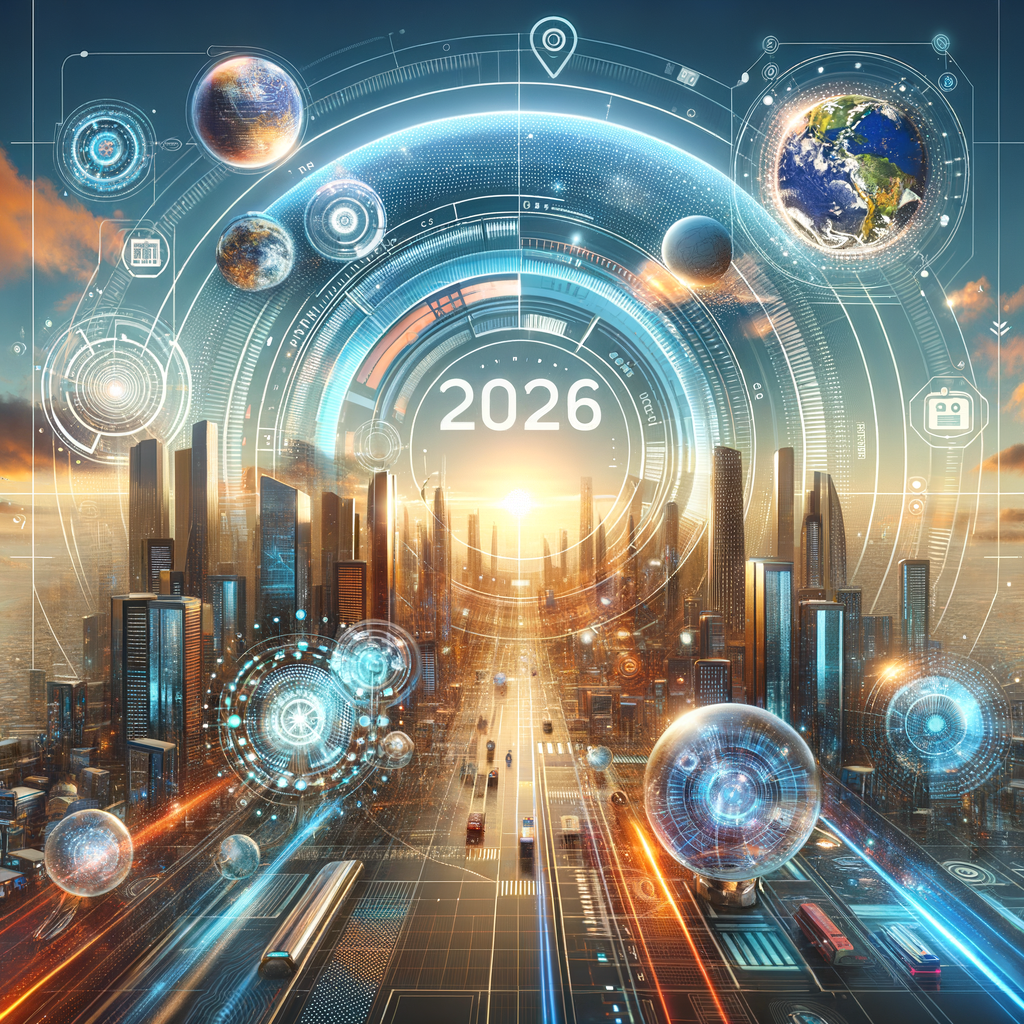
Cybersecurity Challenges and Solutions in the Digital World of 2026
As technology evolves, so do the threats to digital security. In 2026, cybersecurity will be paramount, with more sophisticated hacking techniques emerging. Embracing advanced encryption, AI-driven threat detection, and robust cybersecurity policies will be essential to protect sensitive data and maintain trust in digital systems.
The Impact of 5G and Beyond on Global Connectivity
5G technology, along with its successors, will revolutionize global connectivity by 2026. This ultra-fast network will enable seamless communication, enhance IoT applications, and support the massive data flow required for smart cities and autonomous vehicles.
Predictions for the Future: What Lies Ahead in the Digital World of 2026
Looking ahead, the digital landscape will continue to evolve, driven by AI, blockchain, and quantum computing. These technologies will reshape industries, offering new opportunities for innovation and economic growth.
Conclusion
The digital world in 2026 presents a landscape of immense potential and complexity. By embracing technological advancements responsibly, addressing ethical concerns, and prioritizing cybersecurity, we can create a future where technology enhances human experience and drives global progress.
FAQ
1. What role will AI play in the digital world of 2026?
AI will be integral, driving automation and innovation across various sectors.
2. How will 5G technology impact daily life?
5G will enhance connectivity, supporting smart devices and real-time data transmission.
3. What are the major cybersecurity concerns in 2026?
Advanced hacking techniques and data breaches are significant concerns, necessitating robust security measures.
4. How can businesses prepare for these digital transformations?
Investing in technology, upskilling workers, and adopting flexible strategies will be crucial.
5. What ethical considerations accompany AI integration?
Data privacy, algorithmic bias, and employment impact are key ethical challenges.
6. Will quantum computing be significant by 2026?
Yes, quantum computing will likely begin influencing industries with its unparalleled processing power.
7. How can individuals benefit from the digital world in 2026?
Access to improved services, enhanced connectivity, and new job opportunities are potential benefits.
related post

January 22, 2026
Unlock the Benefits of Train Travel: A Comprehensive Guide for Modern Travelers
Unlock the Benefits of Train Travel: A Comprehensive Guide for Modern Travelers In the fast-paced world of modern travel, trains offer a unique blend of convenience, comfort, and sustainability that...
January 22, 2026
Navigating Digital Marketing in Singapore: Strategies for Success in 2024
Navigating Digital Marketing in Singapore: Strategies for Success in 2024 In the ever-evolving landscape of digital marketing, Singapore stands out as a dynamic hub. With its tech-savvy population and robust...Contact Details
Catch us for a CUP of GREEN TEA


Operating Hours: 9am to 6pm

Working Days: Monday to Saturday
Closed Days: Sunday and Public Holidays
Quick Links
Services
Support
NEWSLETTER
Please fill in your email to catch our new IT products



Copyright © 2024 l NICKTUNG l UEN: 53267689X l All Rights Reserved. ®

apply now
Fill in your details and we will get back to you shortly.